Prefilled pods: comfort before the spec sheet
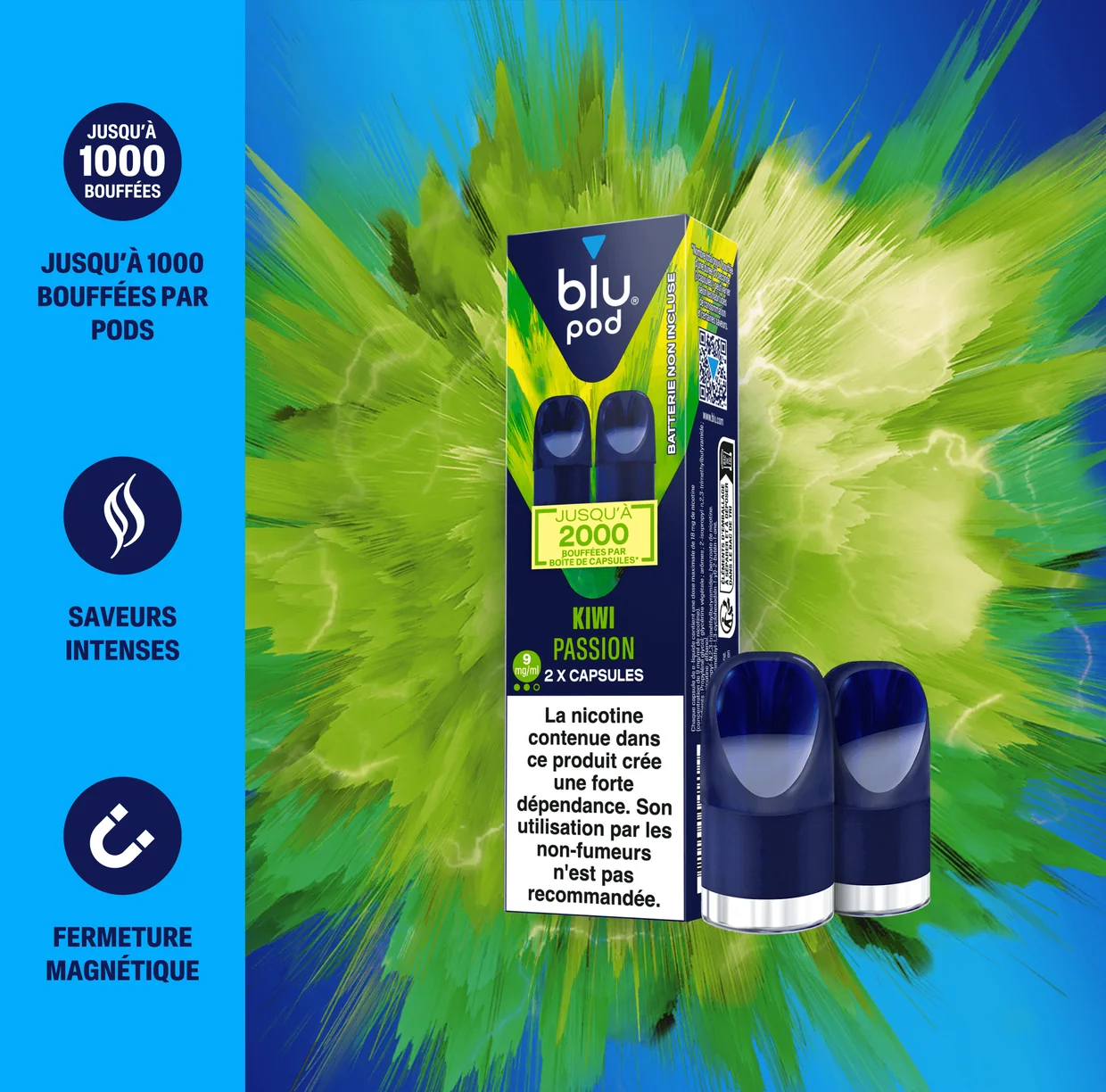
On a closed pod system the mouthpiece is not something you choose: it arrives moulded into the refill. That constraint, usually presented as a limitation, is in fact what makes prefilled pods comfortable from the very first puff. What you still need to know is what you gain and what you give up when the tip is decided by the manufacturer.
What prefilled pods decide for you
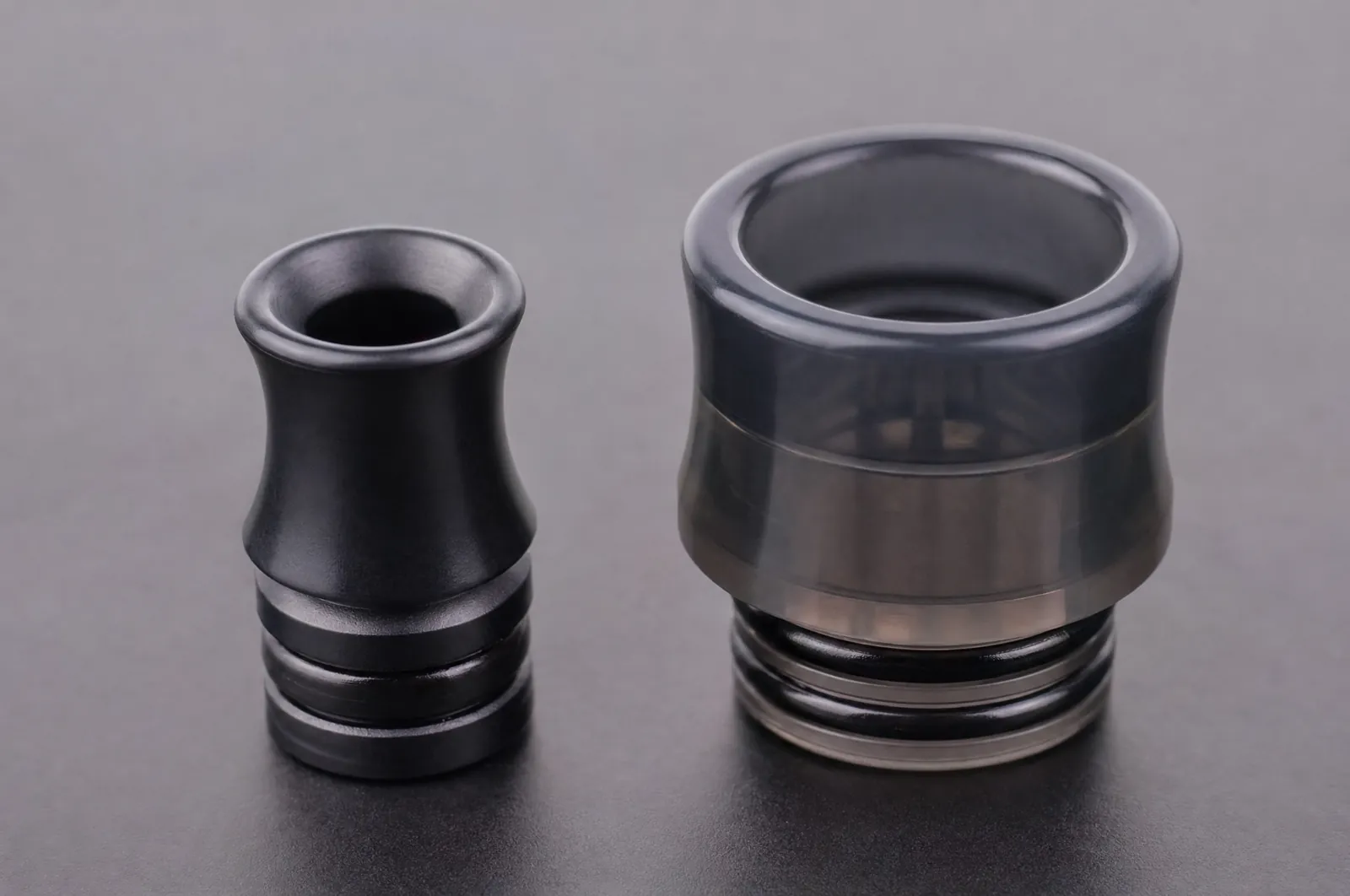
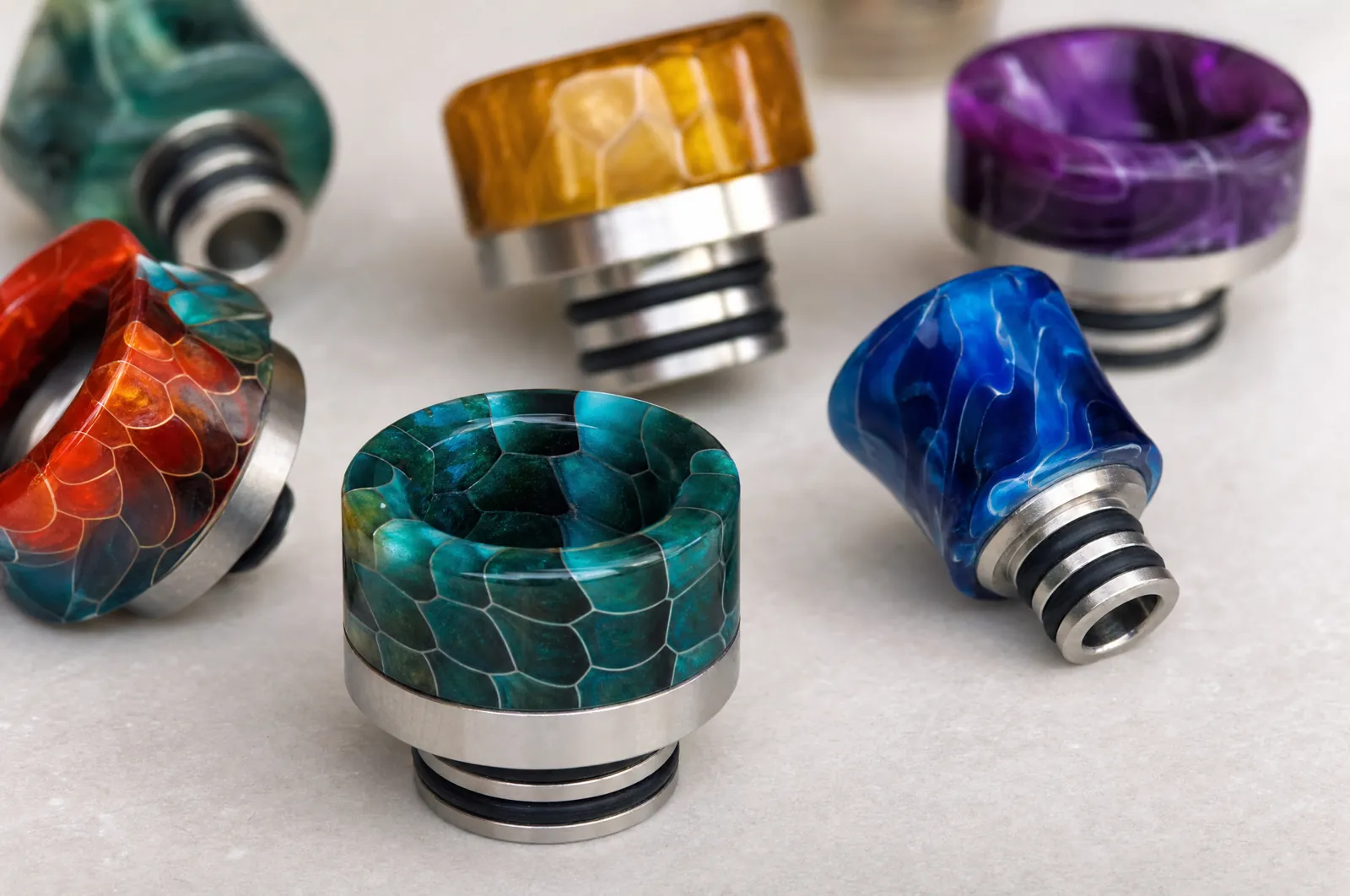
On a conventional setup the drip tip governs three things: the cross section the vapour passes through, its temperature on arrival, and how the lips sit on the tip. An experienced vaper adjusts all three by swapping parts.
On prefilled pods those three settings are fixed at the design stage. The maker has calibrated the channel, the distance between coil and mouthpiece, and the profile of the opening for one specific use, in practice a tight mouth to lung draw.
The upside is real: there is nothing to adjust, which removes the main source of discomfort in the first few weeks. The downside is just as real: if the draw does not suit you, you change range rather than change an accessory.
That is the trade the whole category rests on, and it is worth understanding before you buy into an ecosystem of refills rather than a single device.
Warmth in the mouth, the criterion nobody lists
A puff that arrives too hot puts people off faster than a flavour that misses. It is nevertheless the least discussed parameter in the beginner comparisons British sites publish.
Perceived temperature depends on the power applied, on the length of the path the vapour travels and on the material of the mouthpiece. Compact formats, where the channel is short, run warmer at equal power, which is simply mechanical.
Closed systems compensate by working on the heating itself rather than on the path, since they cannot lengthen a tip that is part of the pod. Our article on keeping a mouthpiece cool explains why this point weighs so heavily on real world comfort.
The practical consequence for anyone shopping is that a slim device is not automatically the more comfortable one. Length buys cooling, and the smallest formats have the least of it to spare.
Prefilled pods: three shapes, three sensations
Closed ranges are not equivalent on this point, and the difference comes as much from the shape of the device as from the pod itself.
A flat, slim format is held like a pen and settles naturally on the lip. It is the most discreet in a pocket and the easiest to hold for a short puff, which suits the tight draw these devices produce.
A bar format offers a wider grip and a more stable rest against the mouth, at the cost of bulk. Some people find the extra width more comfortable over a long session, others find it obtrusive.
A compact square or box format sits in the palm and disappears completely, but it imposes a different hand position, closer to a cupped grip. None of these three is better in the abstract: what matters is whether the shape agrees with your own gesture, much as the choice between the 510 and 810 sizes does on an open system.
The draw is the thing you cannot fix later
A flavour can be changed, a strength can be adjusted, a draw cannot. That is exactly why it should be assessed first when comparing prefilled pods.
Almost all of these devices fire on inhale, with no button, on a mouth to lung profile: you draw into the mouth first, then inhale. It is the closest thing to a familiar gesture, which is why the category dominates the entry level shelf in Britain.
Anyone looking instead for an airy draw and abundant vapour will not be served by these formats, and should be looking at open systems. Our comparison of MTL and DTL draw styles sets out what separates the two, and why the mouthpiece bore matters so much in each case.
Trying a device belonging to a friend, or handling one in a shop, tells you more in thirty seconds than any specification list will.
What the British rules fix for you
Two limits shape every closed system sold legally in Britain, and both are worth knowing because they end certain comparisons before they start.
Nicotine containing e-liquid is capped at 20 mg per millilitre, and prefilled pods are sold in small sealed volumes rather than large tanks. Refill bottles of nicotine containing liquid are limited to 10 ml, and refillable tanks to 2 ml.
Those rules mean that between two ranges the strength is not a differentiator at the top of the scale, since neither can exceed the same ceiling. What differs is the delivery: how the device produces its vapour at that strength, and how warm it feels at the lips.
Every product in this category is restricted to adults, and retailers are required to refuse sale to anyone under 18. That is a legal frame rather than a feature, but it belongs in any honest description of the shelf.
Choosing by the gesture rather than the spec sheet
Someone comparing ranges on three comfort criteria, mouthpiece position, warmth in the mouth and draw type, rarely gets it wrong. Someone comparing only millilitres and milligrams discovers the problem after paying.
The rest, flavours and strengths, adjusts afterwards without changing hardware, and that flexibility is precisely what a well designed refill ecosystem exists to provide.
It is also why the mouthpiece deserves more attention than it usually gets, even on a device where you cannot change it. It is the only part you touch on every single puff, and the one that decides whether the device stays in a pocket or in a drawer.
Frequently asked questions
Can the mouthpiece on a prefilled pod be changed?
No. On closed systems the tip is moulded into the refill and is not a separate part. Changing the feel at the lips means changing range, which is why the mouthpiece deserves attention before the first purchase rather than after it.
Why do compact devices feel warmer?
Because the vapour travels a shorter distance between the coil and your lips, giving it less room to cool. At equal power a short channel delivers a warmer puff than a long one, which is a matter of geometry rather than build quality.
Do all prefilled pods produce a tight draw?
Very nearly all of them. The category is built around a mouth to lung profile with draw activation and no button. Anyone wanting an airy, high volume draw needs an open system with adjustable airflow instead.
How much liquid does a British pod hold?
Prefilled pods are sold in small sealed volumes, and refillable tanks are capped at 2 ml under British rules. Nicotine containing e-liquid cannot exceed 20 mg per millilitre, and refill bottles of it are limited to 10 ml.
Is a wider device more comfortable than a slim one?
It depends entirely on your grip. A bar format rests more stably against the mouth, a slim format is easier to hold for short puffs. Neither is objectively better, which is why handling one before committing is worth the effort.
Judging a refill by how it feels, not how it reads
The mouthpiece on prefilled pods is fixed, so it becomes a selection criterion rather than an adjustment. Position on the lip, warmth on arrival and the type of draw tell you far more about whether a range will suit you than any figure printed on the box.
Assess those three things first and the rest falls into place, because flavour and strength can be changed at any point without touching the hardware. Get them wrong and no amount of switching refills will fix it, which is the single most useful thing to know before buying into a system of prefilled pods.
Editorial content for adults only. Vaping is for over-18s in the United Kingdom and involves nicotine, a highly addictive substance. Nothing here is a buying recommendation.